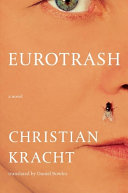
| Description | A probing masterpiece-in-miniature of self-reflection and cultural reckoning.
===
'Odd and evocative, a frolicking rumination' TIMES CRITICS' BEST BOOK OF THE YEAR'Hilarious, unsettling and unexpectedly moving' FINANCIAL TIMES BEST TRANSLATED BOOK OF THE YEAR'Astonishing and captivating' KARL OVE KNAUSGAARD'There's a refreshing, bright moral clarity to Eurotrash' NELL ZINK Realising he and she are the worst kind of people, a middle-aged man embarks on a dubious road trip through Switzerland with his eighty-year-old mother, recently discharged from a mental institution. Driving across the country, they attempt to give away her arms-industry wealth, but a fortune of such immensity is hard to squander. Haunted in different ways by the figure of her father, an ardent supporter of Nazism, mother and son can no longer avoid delving into the darkest truths about their past.Eurotrash is an unsparingly funny, vertiginous mirror-cabinet of familial and historical reckoning, a tragicomic quest punctuated by the tenderness and spite meted out between two people who cannot escape one another. 'Christian Kracht is the great German-language writer of his generation' Joshua Cohen'Resonant and spiky' Daily Mail'Brilliantly caustic' i paperTRANSLATED BY DANIEL BOWLES
===
'Odd and evocative, a frolicking rumination' TIMES CRITICS' BEST BOOK OF THE YEAR 'Hilarious, unsettling and unexpectedly moving' FINANCIAL TIMES BEST TRANSLATED BOOK OF THE YEAR Realising he and she are the worst kind of people, a middle-aged man embarks on a dubious road trip through Switzerland with his eighty-year-old mother, recently discharged from a mental institution. Driving across the country, they attempt to give away her arms-industry wealth, but a fortune of such immensity is hard to squander. Haunted in different ways by the figure of her father, an ardent supporter of Nazism, mother and son can no longer avoid delving into the darkest truths about their past. Eurotrash is an unsparingly funny, vertiginous mirror-cabinet of familial and historical reckoning, a tragicomic quest punctuated by the tenderness and spite meted out between two people who cannot escape one another. 'Christian Kracht is the great German-language writer of his generation' Joshua Cohen 'Astonishing and captivating' KARL OVE KNAUSGAARD 'There's a refreshing, bright moral clarity to Eurotrash' NELL ZINK TRANSLATED BY DANIEL BOWLES
===
Esta aclamada y disparatada novela, finalista del premio más importante de Alemania, tiene por narrador al alter ego de Christian Kracht, un escritor y dandy que emprende un viaje por carretera junto a su madre alcohólica y semipsicótica. Llevan consigo una bolsa llena de dinero en efectivo que se proponen regalar a destajo por todo el país. Es la escandalosa suma que han heredado de su familia nazi, y que ha sido invertida durante años en la industria armamentista. ¿Quizá despojarse de esa riqueza es despojarse de la gran vergüenza europea del siglo xx? De la culpa transgeneracional y de los horrores de la guerra que aún permanecen en nuestra sociedad; o tal vez, para ellos, tan solo se trata de exorcizar los demonios internos de la familia, cuya historia, en todo caso, se cruza repetidamente con la de Alemania. Con lucidez y asombrosa profundidad metafísica, Kracht trenza en Eurotrash los hilos de la memoria de todo un continente en la sencilla crónica de un vínculo roto que busca reconstruirse. Un relato conmovedor, tan desgarrador como cómico, que reflexiona sobre la verdad y la conciencia, una sátira contemporánea de primer nivel que nos habla sobre el poder curativo de las palabras y los escombros de una historia que siempre amenaza con repetirse.
===
Sveitsiläinen kirjailija ja dandy Christian Kracht (s. 1966) lähtee impulsiiviselle taksimatkalle Alppimaan maaseudulle ja ylös vuoristoon mielenterveydeltään järkkyneen, älyllisesti nerokkaan 80-vuotiaan äitinsä kanssa, joka on riippuvainen viinistä, vodkasta ja pillereistä. Kaksikolla on muovikassillinen rahaa käytettäväksi, himo tiettyyn kalaruokaan, tarve nähdä alppikukkia ja afrikkalaisia seeproja ja löytää ennen kaikkea toisensa vuosikymmeniä jatkuneen syvän konfliktinsa jälkeen. Molempien sisintä painaa lisäksi tietoisuus siitä, että he tulevat liian rikkaaksi ehtineestä itsepetoksellisesta nousukassuvusta, jonka 1900-luvun muistot sisältävät paitsi kuvataiteen menetettyjä aarteita, myös omakohtaisia kauheuksia; natsimenneisyyttä, sadomasokismia, seksuaalista hyväksikäyttöä, koko rahaa palvoneen suvun laajuudelta. Kroisokseksi tulleen ja tuhkapussissa Elbe-jokeen päätyneen pojan isän, äidin edesmenneen puolison, puolelta yhteiskunnallinen kiipeäminen liittyy myös legendaariseen saksalaiseen kustantajaan ja lehtikeisariin Axel Springeriin, jonka läheisenä avustajana isä työskenteli toisen maailmansodan jälkeen. Teoksen synkistä teemoista huolimatta kokonaisuudesta rakentuu unenomaisen kirkas, apokalyptinen hymni anteeksiannon voimalle; loputtoman älyllisyytensä keskellä poika ja äiti tunnistavat keskinäisen rakkautensa, jota koetut skismat, saati viha mennyttä kohtaan, eivät ole sammuttaneet. Sillä voimalla molempien elämät voivat jatkua; niin kirjailijapojan elämä Sveitsissä, jonka tämä kokee poliittisine luurankoineen, pankkitileineen ja asukkaidensa itserakkauksineen yhteiskunnallisena tragikomediana, kuin äidin elämä saavuttamassaan Afrikassa - seeprojensa keskellä.
===
»I'll see you in twenty-five years.« Laura Palmer. »Also, ich musste wieder auf ein paar Tage nach Zürich. Es war ganz schrecklich. Aus Nervosität darüber hatte ich mich das gesamte verlängerte Wochenende über so unwohl gefühlt, dass ich unter starker Verstopfung litt. Dazu muss ich sagen, dass ich vor einem Vierteljahrhundert eine Geschichte geschrieben hatte, die ich aus irgendeinem Grund, der mir nun nicht mehr einfällt, ›Faserland‹ genannt hatte. Es endet in Zürich, sozusagen auf dem Zürichsee, relativ traumatisch.« Christian Krachts lange erwarteter neuer Roman beginnt mit einer Erinnerung: vor 25 Jahren irrte in »Faserland« ein namenloser Ich-Erzähler (war es Christian Kracht?) durch ein von allen Geistern verlassenes Deutschland, von Sylt bis über die Schweizer Grenze nach Zürich. In »Eurotrash« geht derselbe Erzähler erneut auf eine Reise – diesmal nicht nur ins Innere des eigenen Ichs, sondern in die Abgründe der eigenen Familie, deren Geschichte sich auf tragische, komische und bisweilen spektakuläre Weise immer wieder mit der Geschichte dieses Landes kreuzt. »Eurotrash« ist ein berührendes Meisterwerk von existentieller Wucht und sarkastischem Humor. |
|---|