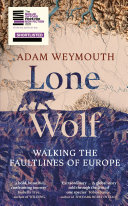
| Description | SHORTLISTED FOR THE BAILLIE GIFFORD PRIZE FOR NON-FICTION ONE OF THE ECONOMIST'S BEST BOOKS OF 2025 ONE OF THE OBSERVER'S BEST BOOKS OF 2025 ONE OF THE TIMES'S BEST SCIENCE AND ENVIRONMENT BOOKS OF 2025 A FINANCIAL TIMES AND SUNDAY TIMES SUMMER READING PICK ‘AN EXCEPTIONAL BOOK.’ Robert Macfarlane, author of Underland ‘A BOLD, BEAUTIFUL, CONFRONTING JOURNEY.’ Isabella Tree, author of Wilding ‘EVERY PAGE SINGS.’ Rachel Clarke, Observer From the winner of the Sunday Times Young Writer of the Year Award comes an epic walk across the Alps in the footsteps of a wolf, throwing unique light on Europe's mountainous hinterlands at a moment of political and environmental change. In 2011, a young wolf named Slavc set out from Slovenia. Tracked by GPS, he travelled a thousand miles through the Alps, arriving four months later on the Lessinian plateau, north of Verona. There had been no wolves in northern Italy for a century, but here he crossed paths with a female wolf on a walkabout of her own. A decade later and there are more than a hundred wolves back in the area, the result of their remarkable meeting. In Lone Wolf, Weymouth walks Slavc's path, examining the changes facing these wild corners of Europe. Here, the call to rewild meets the urge to preserve culture; nationalism and globalisation pull apart; climate change is radically changing lives; and migrants, too, are on the move. The result is a multifaceted account of a region caught in a moment of kaleidoscopic flux, from an award-winning writer with a uniquely perceptive eye for detail.
===
An intimate account of an epic walking journey through a tense and shifting Europe in the footsteps of one extraordinary wolf. In the winter of 2011, a young wolf, named Slavc by the scientists who collared him, left his natal pack's territory in Slovenia, embarking on what would become a two thousand kilometre trek to northern Italy. There, he found a mate—named Juliet—and they produced the first pack in the region in a hundred years. A decade later, captivated by Slavc's journey, Adam Weymouth set out to walk the same route. As he made his way through mountainous terrain, villages and farmland, he bore witness to the fears and harsh realities of those living on the margins of rural society at a time of deep political and social flux, for whom the surging wolf population posed an existential threat. In Lone Wolf, Weymouth interrogates how the wolf—loved and loathed, vilified and romanticized throughout history—is re-emerging in wild and cultivated landscapes; how the borders between us and them are slipping away; and what our deep-rooted fear of the mysterious creature really means. Sharply observed, searching, poetic and revealing, Lone Wolf is a story of wildness and of the human desire for order in an ever-evolving world.
===
Shortlisted for the Baillie Gifford Prize for Non-fiction BBC Radio 4 Book of the Week A Financial Times and Sunday Times Summer Reading pick A Financial Times book of the year 'AN EXCEPTIONAL BOOK.' Robert Macfarlane, author of Underland 'A BOLD, BEAUTIFUL, CONFRONTING JOURNEY.' Isabella Tree, author of Wilding 'LOVELY ... FULL OF INCIDENT, COLOUR AND NUGGETY FACTS.' Robbie Millen, The Times From the winner of the Sunday Times Young Writer of the Year Award comes an epic walk across the Alps in the footsteps of a wolf, throwing unique light on Europe's mountainous hinterlands at a moment of political and environmental change. In 2011, a young wolf named Slavc set out from Slovenia. Traced by GPS, he travelled a thousand miles through the Alps, arriving four months later on the Lessinian plateau, north of Verona. There had been no wolves in northern Italy for a century, but here he crossed paths with a female wolf on a walkabout of her own. A decade later and there are more than a hundred wolves back in the area, the result of their remarkable meeting. In Lone Wolf, Weymouth walks Slavc's path, examining the changes facing these wild corners of Europe. Here, the call to rewild meets the urge to preserve culture; nationalism and globalisation pull apart; climate change is radically changing lives; and migrants, too, are on the move. The result is a multifaceted account of a region caught in a moment of kaleidoscopic flux, from an award-winning writer with a uniquely perceptive eye for detail.
===
An illuminating account of a lone wolf journeying across the Alps into Italy, and what the resurgence of wolves says about our connection to nature, immigration, and one another—from an award-winning journalist. “Lone Wolf is a deeply fascinating story, grippingly told.”—Robert Macfarlane, New York Times bestselling author of Underland FINALIST FOR THE BAILLIE GIFFORD PRIZE In 2011, a lone wolf named Slavc set out from his home territory of Slovenia on an epic journey across the Alps. Tracked by a GPS collar, he walked over a thousand miles. In Italy he bumped into a female wolf on a walkabout of her own—the only two wolves for hundreds of square miles—and when they mated, they formed the first pack to call these mountains home in over a century. Today there are more than a hundred wolves in the area, the result of their remarkable meeting. In Lone Wolf, writer Adam Weymouth walks the same path through the mountains of Central Europe, interrogating the fears and realities of those living on land that is being repopulated by wolves and exploring the economic, political, and climate upheavals that are seeing a centuries-old way of life being upended. Weymouth endeavors to understand how wolves—vilified throughout history and folklore—are recolonizing lands where they have been unknown for centuries and how, as the wolf has returned, the fear and hatred have come back, too. Slavc is one more outsider in a region now wrestling with an influx of immigration and a resurgence of the far right, alongside impacts of climate change that are already very real. It is here that questions of how we see the other and treat the Earth cannot be ignored. Examining the political dimensions brought to light by this individual animal’s trek, Lone Wolf tells a newly resonant story—one about the courage required to seek out a new life and the challenge of accepting the changing world around us. Sharply observed, searching, and written in precise, poetic prose, Lone Wolf explores the thorny connection between humans and nature, and indeed between borders themselves, and presses us to consider this much-discussed creature anew. |
|---|